
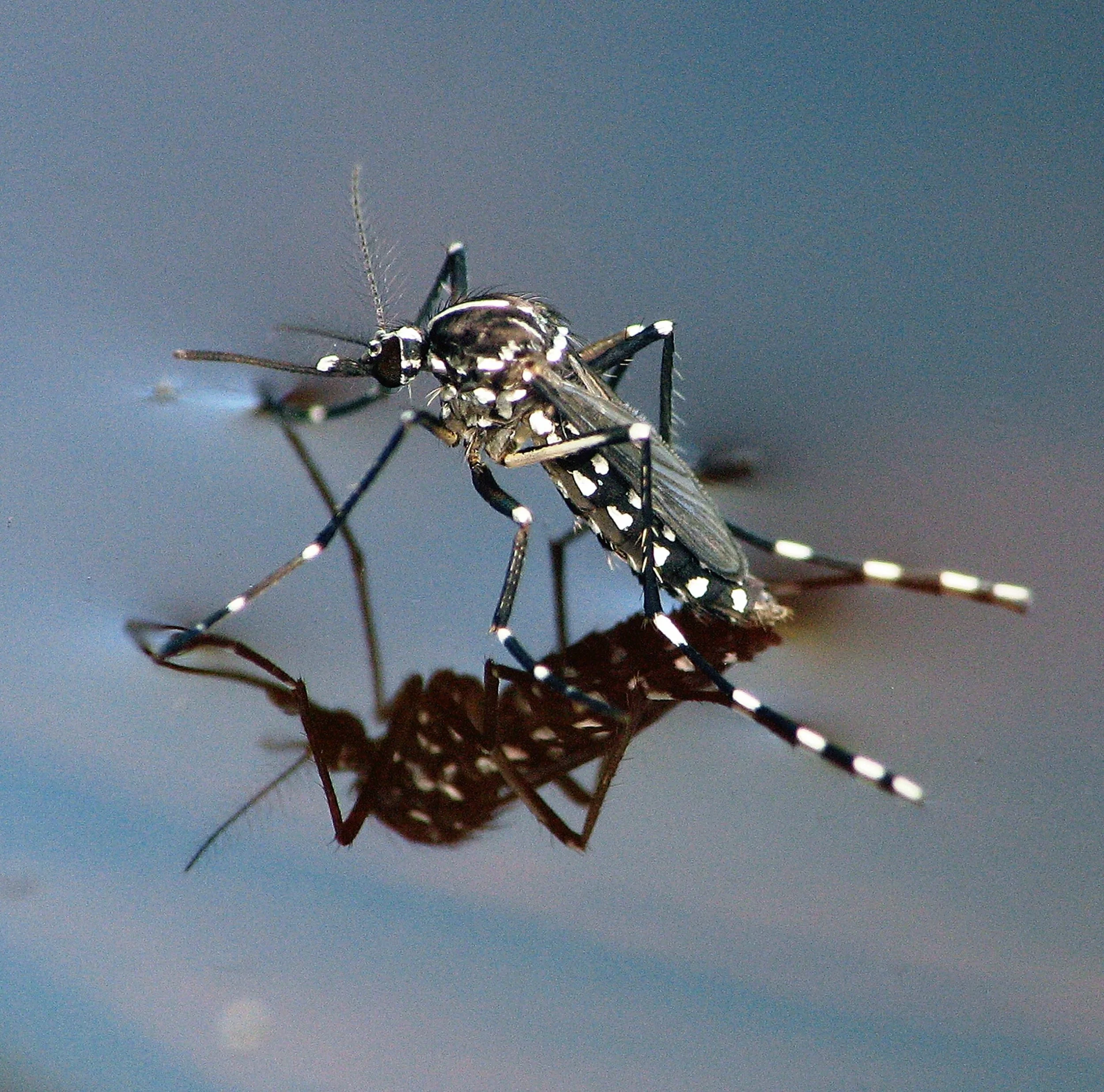
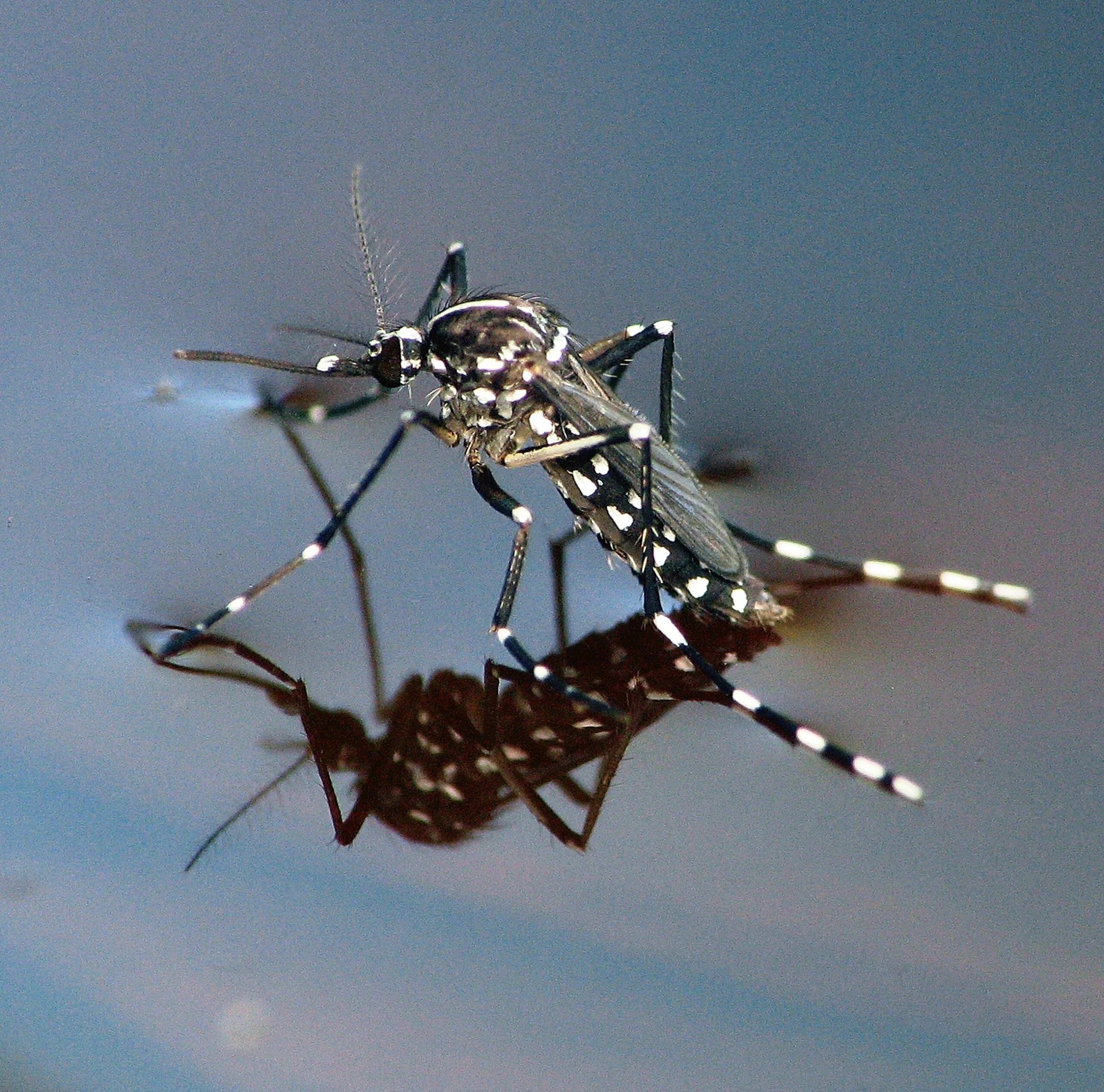
Mosquitoes Suck… the life out of your family.
When it comes to living comfortably in your own backyard, mosquitoes are often one of the first issues that come to mind. Nobody wants to entertain friends and watch them get eaten alive by the most annoying creatures on the planet!
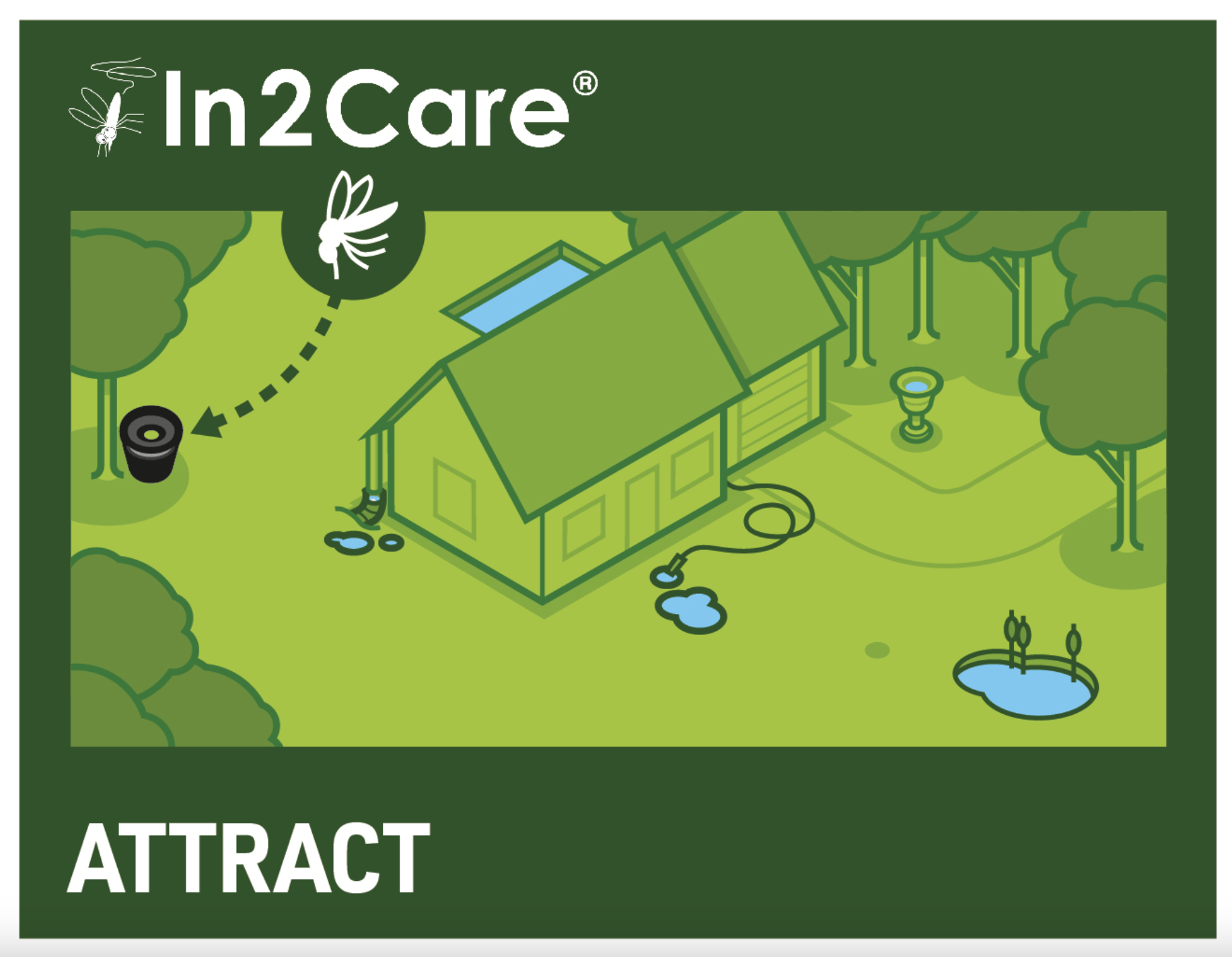
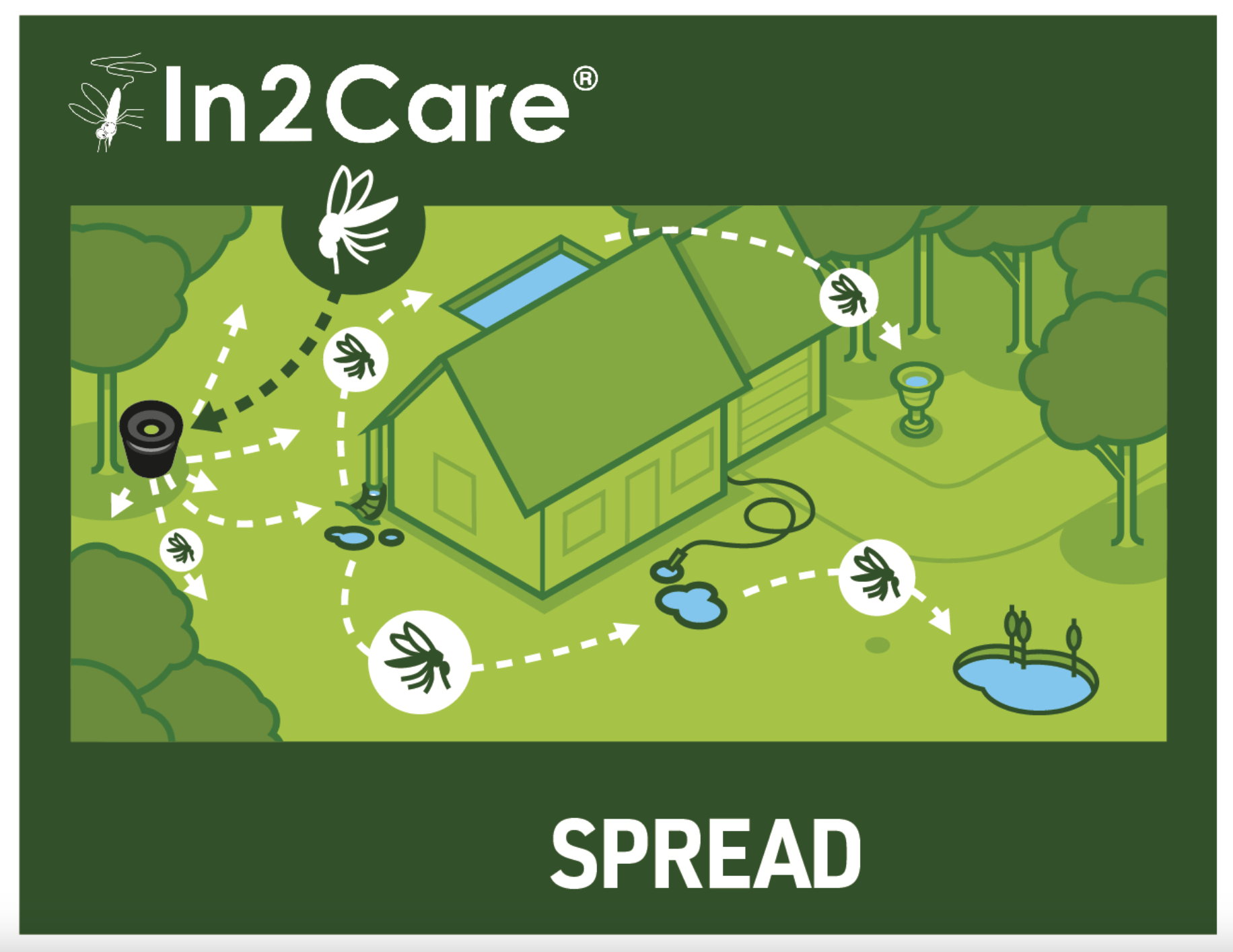
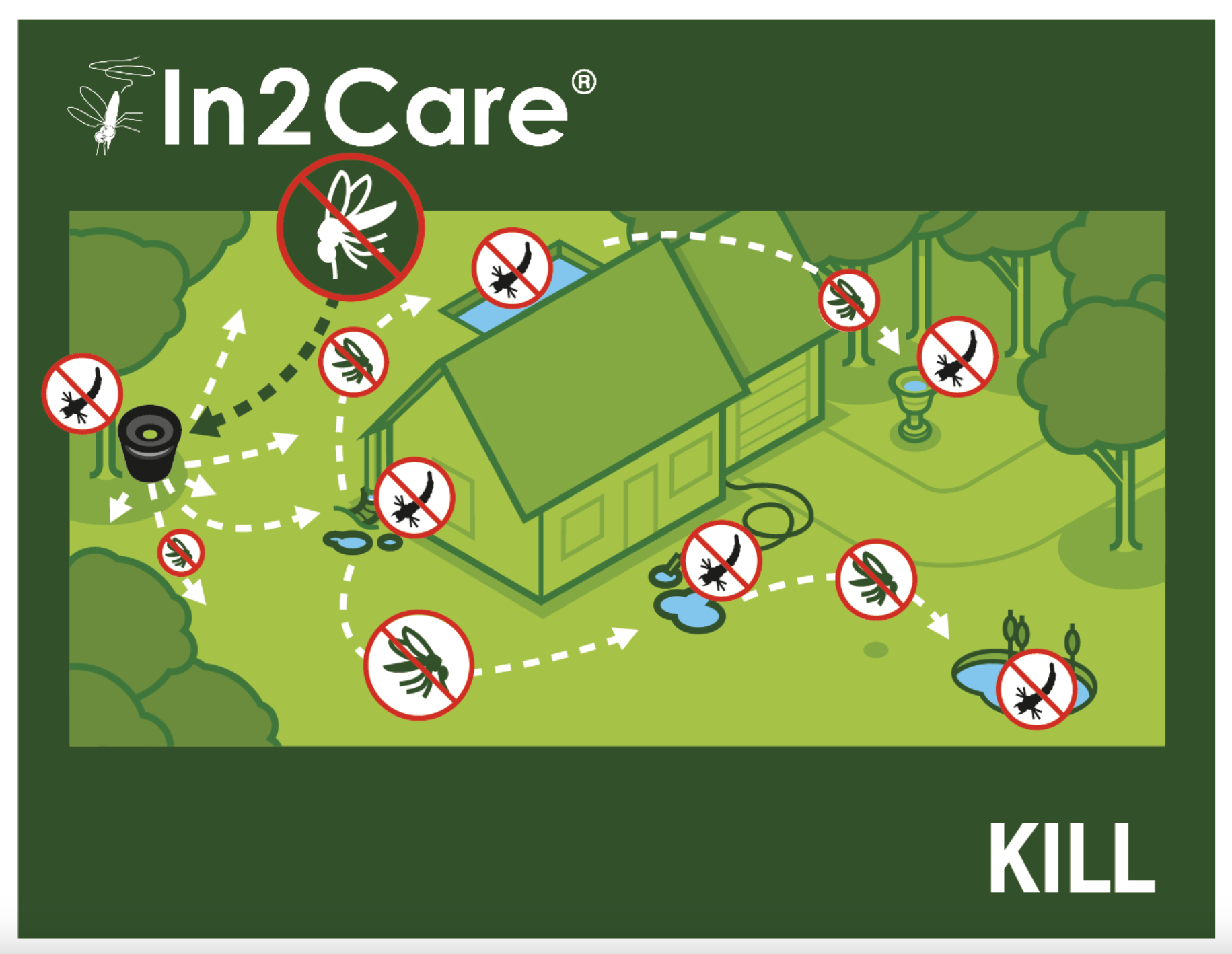
Home and business owners have many options for mosquito treatments but more often than not their target is anything and everything. These treatments also only target adult mosquitoes so the effects are short lived. But with In2Care system- mosquitoes alone are attracted and neutralized leaving the good bugs in your backyard to carry on with their day.
Reasons to choose the In2Care system:
Kills mosquitoes at all life stages (larvae, pupae and adult)
Pet Friendly
Environmentally Friendly
24/7 Protection
Key Takeaways
Mosquito season usually begins in spring, when warmer temperatures allow dormant eggs to hatch.
Activity peaks in late spring and summer, driven by warm weather, humidity, and rainfall.
Mosquito eggs can survive winter and hatch quickly once conditions improve.
Standing water and dense vegetation create ideal breeding environments.
Early preparation and professional mosquito control help prevent infestations before peak season.
The In2Care System works 24/7 and uses a mosquito's natural behavior to target and neutralize their population.
What Affects Mosquito Population?
Temperature
As cold-blooded insects, mosquitoes are highly dependent on external temperatures to regulate their activity. Warmer weather accelerates their metabolism, leading to increased flying, biting, and reproduction. In contrast, cooler temperatures slow them down, lengthening their life cycle and reducing their overall activity.
Temperatures below 50°F (10°C) significantly inhibit mosquito activity, although mosquito eggs remain resilient. These eggs can survive freezing temperatures for up to three years, lying dormant until conditions are warm enough to hatch.
Humidity
Mosquitoes thrive in environments that provide ample water, which plays a critical role in their life cycle. Common mosquito habitats include areas with trees, tall grasses, and dense brush, but water is the key element they need to reproduce.
Water serves as a nursery for mosquitoes, allowing them to lay eggs and support the growth of larvae and pupae. While it was once believed that mosquitoes only laid eggs in stagnant or slow-moving water, research has revealed that different mosquito species can adapt to a variety of water conditions.
Rainfall also plays a critical role, standing water left behind by rainstorms serves as ideal mosquito breeding grounds. For this reason, areas with frequent rainfall see mosquitoes emerge sooner and in greater numbers.
Signs That Mosquito Season Has Begun
Although mosquitoes seem to vanish during the colder months, some manage to survive the winter through a process known as overwintering. Female mosquitoes prepare for the colder season by laying eggs that remain dormant throughout the winter. Once temperatures warm up, these resilient eggs hatch, allowing the mosquito population to thrive again.
Wondering if the season has started in your area? Look out for these signs:
Increased mosquito bites, especially during dawn and dusk.
Mosquitoes swarming near standing water, such as puddles, birdbaths, or clogged gutters.
A sudden surge in itchy, red welts after spending time outdoors.
How to Prepare for a Bite-Free Season
Early preparation at the first sign of activity can save you from an infestation later in the season.
Conducting a Pre-Season Yard Check
Preparation begins with inspecting your yard for potential mosquito breeding sites:
Eliminate Standing Water. Empty birdbaths, clean clogged gutters, and ensure proper drainage around your property.
Trim Vegetation. Overgrown bushes and grass provide shade and shelter for mosquitoes. Regular maintenance reduces their hiding spots.
Repair Drainage Issues. Ensure your yard drains efficiently to prevent water from pooling after rain.
Why Choose Best4Pest for Mosquito Season Preparation?
Best4Pest is paving the way in mosquito control in DFW, offering innovative and environmentally responsible solutions. Our treatments are backed by science and tailored to your yard’s unique needs, ensuring maximum effectiveness. We provide mosquito control expertise you can trust.
We know no two properties are alike. That’s why we customize our services based on your yard’s size, landscaping, and mosquito presence. The In2Care System will protect your family/business behind the scenes and you carry on with life.
Being Prepared Means Avoiding Unnecessary Hassles
Preparing for mosquito season is the key to enjoying your outdoor spaces without the hassle of bites and potential health risks. By taking proactive steps — like inspecting your yard, implementing effective control methods, and partnering with Best4Pest— you can have the peace of mind that you and your family are protected from these dangerous pests.
While adult mosquitoes typically live only a few weeks, under ideal conditions, they can survive up to six months if they find a suitable habitat on your property. Waiting until peak season to address the mosquito problem can make it more difficult to reclaim your yard.
Don’t let mosquitoes take over your outdoor spaces. With Best4Pest professional mosquito control services, you can proactively target mosquitoes before their populations surge. Start early and enjoy a bite-free season!
Mosquito season waits for no one, but with Best4Pest, you don’t have to let it take over your outdoor spaces. Contact Best4Pest today: our expert team is here to provide customized, effective mosquito control solutions that fit your yard and lifestyle. Take the first step toward a mosquito-free yard — because you and your family deserve to enjoy the outdoors without the buzz or the bites!
Why Are Ants Coming Inside My House After Rain?
Rain often feels refreshing. The air smells cleaner, plants look healthier, and everything feels calm. Then you walk into the kitchen and see ants crawling along the countertops toward the sink.
Ants in the house after rain are one of the most common problems homeowners face, especially after the first heavy storm of the season. The situation feels frustrating because it happens so suddenly. One overnight storm can turn a home with no issues into a sudden ant problem.
Ants can show up overnight, even in clean homes with no visible problems. The good news is that ants follow predictable patterns after rain. When you understand why rain pushes ants indoors and what attracts them, you can take clear steps to get rid of ants, reduce repeat problems, and recognize when any control in North Texas makes sense.
Key Takeaways
Heavy rain forces ant colonies out of the ground and into homes
Small entry points and moisture issues invite ants inside
Different ant species react differently after storms
Consistent pest control works better than quick fixes
Common Types of Ants Homeowners See
Check out this Texas A&M article about common Texas ants and how to identify them.
Why Ants Come Inside After Heavy Rain
Ants that appear inside after rain usually come from outdoor nests. When heavy rain soaks the soil, it floods the underground tunnels where ant colonies live. The water ruins food supplies, raises moisture levels, and damages nesting areas. As a result, worker ants quickly search for higher, drier ground.
Homes become an easy place for ants to move into because they stay dry, offer warmth, and often contain easy food sources. Once a few worker ants enter, they leave scent trails that guide the rest of the colony to the same area.
Because worker ants follow scent trails into dry, food-rich spaces, ant activity often increases very quickly after rain, especially when homeowners think, ‘it’s raining, and ants are in the house again,’ even though the ants were already nearby.
Rainstorms do not cause new ants to appear. They simply force existing ants to relocate. Understanding this movement helps homeowners focus on prevention rather than reacting under stress.
Where Ants Enter the Home After Rain
When ants search for shelter, they enter through the smallest openings they can find. Common entry points include foundation cracks, gaps around doors, and damaged weatherstripping. Ants also use window sills, utility lines, and small gaps behind siding as easy entry paths.
Moisture strongly affects where ants enter the home. Crawl spaces, basements, and plumbing areas attract ants because water tends to linger after rain. Poor gutter drainage pushes water toward the house, increasing ant activity along the exterior walls.
Sealing cracks with caulk and replacing damaged weatherstripping helps block potential entry points that ants commonly use. These steps do not stop every ant, but they remove many easy paths ants rely on.
How Food and Moisture Attract Ants Indoors
Once ants get inside, they look for two things: water and food. Even small spills or crumbs can lead to an ant infestation if left alone. Ants search for food in sinks, pet bowls, trash areas, and countertops.
Storing food in airtight containers reduces the scent that ants can detect. It removes food smells that ants use to guide other workers. Wiping surfaces often and remembering to store food properly at night limits ant activity.
Moisture attracts ants just as much as food. Leaky faucets, condensation, and damp areas under sinks keep ants active even after the rain ends. Lowering indoor moisture removes one of the main reasons ants stay inside.
The Most Common Ant Species Seen After Rain
Ant species respond to rain in different ways, which makes correct identification important. Argentine ants are very common in North Texas and often appear in large numbers after rainstorms. They form large colonies and can quickly take over kitchens and bathrooms.
Odorous house ants also enter homes after rain and usually nest near moisture sources. Pavement ants move indoors when outdoor nests flood. Carpenter ants may indicate moisture problems within wood structures.
Fire ants, while less common indoors, can still move toward homes when outdoor conditions deteriorate. Because behavior varies, using an ant identification guide helps determine the right approach instead of guessing.
Why DIY Fixes Often Fail After Rain
Many homeowners use sprays or store-bought insecticides as soon as ants appear. These products may kill visible ants, but they rarely reach colonies outside or hidden in walls, leading to short-term relief followed by recurring ant problems.
Ant baits work better than sprays because worker ants carry bait back to the colony. Bait placement and timing still matter, especially during the rainy season when ants keep moving. Using bait the wrong way can push ants into new areas of the home.
When ants keep returning, and surface treatments fall short, professional pest control becomes helpful. A targeted approach focuses on entry points, nesting areas, and long-term ant control rather than quick surface results, helping us help you successfully control ants over time.
Preventive Measures That Help Year-Round
Preventive steps work best when homeowners use them before and after storms. Keeping gutters clear, moving water away from the foundation, and removing standing water around the yard reduces ant pressure on the home.
Inside the home, regular cleaning, sealing gaps, and fixing moisture issues make the space less appealing to ants and other unwanted guests. These steps help protect homes during rainstorms and throughout the year.
Many homeowners in North Texas use pest control services for steady ant protection. Ongoing treatments adjust to weather changes and shifting ant behavior, especially during the rainy season.
When It Is Time to Call for Professional Help
If ants return after every rain or spread into several rooms, the colony likely remains active nearby. Persistent ant trails, repeat invasions, or signs of carpenter ants signal the need for professional help.
At Best4Pest, we understand how local weather patterns affect ant activity. With decades of experience and a science-based approach, our team focuses on long-term ant control instead of short-term fixes. For homeowners in Tarrant County and across North Texas, consistent ant control service makes a clear difference.
Making the Right Choice for Long-Term Ant Control
Ant problems after rain often return because the source stays active nearby. When the same issue shows up after each storm, it is a sign that surface fixes are not enough. A long-term solution focuses on stopping repeat activity, not just clearing what you see.
At Best4Pest, we provide treatment plans designed to address recurring ant problems and changing weather conditions, so ants stay outside instead of coming back after every rain.
Contact us today to get help with ongoing ant control and stop the cycle for good.
FAQs
Why do ants show up immediately after rain?
Heavy rain floods underground nests and forces ants to search for higher, drier ground. Homes offer shelter, warmth, and easy access to food and water.
Are ants after rain a sign of a dirty home?
No. Ants enter clean homes just as often as dirty ones. Moisture, entry points, and outdoor conditions matter more than cleanliness alone.
How can I get rid of ants without them coming back?
Long-term ant control requires sealing entry points, reducing moisture, removing food access, and using targeted treatments that reach the colony, not just visible ants.
Ant Control Ant Elimination Ant Extermination Ant Prevention Ant Removal